What will your
journey look like?
Each student's journey is unique to their interests and goals. TapClick the cards
to learn more about the diverse paths our students take.

“You don't have to have it all figured out — explore and let your ambitions evolve.”

Emmanuel Genene
BCom'21Emmanuel Genene
Passion
Diversity and inclusion: President and founder of EDGE, a non-profit organization focused on enabling the professional growth of underrepresented students.
Advice
"Explore and let your ambitions evolve."

“Everyone at Smith is willing to go above and beyond to help you, and there are endless resources available.”
Bonnie Zhang
BCom'19Bonnie Zhang
Exchange
University of Hong Kong, China
Extracurricular
Member of Queen's Case Competition Union, Residence Don
Career
Associate Consultant
Bain & Company
Toronto, ON
Advice
"Just be yourself — it will all work out."

“Having a thorough understanding of the way that business works will be valuable regardless of your desired career path.”
John Sibbald
BCom'18John Sibbald
Passion
Co-founder of Q+, the LGBTQ+ network at Smith.
Exchange
Nanyang Technological University, Singapore
Career
Management Consultant
Oliver Wyman
Boston, MA
Advice
"Be bold."

“Nobody expects you to know what you want to do right away. But the more you put yourself out there, network, and learn, the faster you will find out.”
Jordan Flanigan
BCom'19Jordan Flanigan
Accolade
Commerce '74 Award Recipient
Exchange
University of Economics, Prague
Extracurricular
President of the Commerce Society
Career
Financial Analyst
Oxford Properties
Toronto, ON
Advice
"Take advantage of every opportunity."

“Commerce is looking for motivated students who go beyond academics.”
Dakota Lavery
BCom'20Dakota Lavery
Passion
Incorporation of Indigenous cases into Commerce curriculum.
Extracurricular
Varsity Track & Field
Focus
Finance
Advice
"Go out and be creative!"

“Don’t be afraid to explore unconventional interests, because there is a wealth of opportunities available to you.”
Aysha Tabassum
Comm'22Aysha Tabassum
Passion
Social impact: Aysha is pursuing her Certificate in Social Impact.
Advice
"Anything that you love doing is worth doing."
Why choose
Smith Commerce?
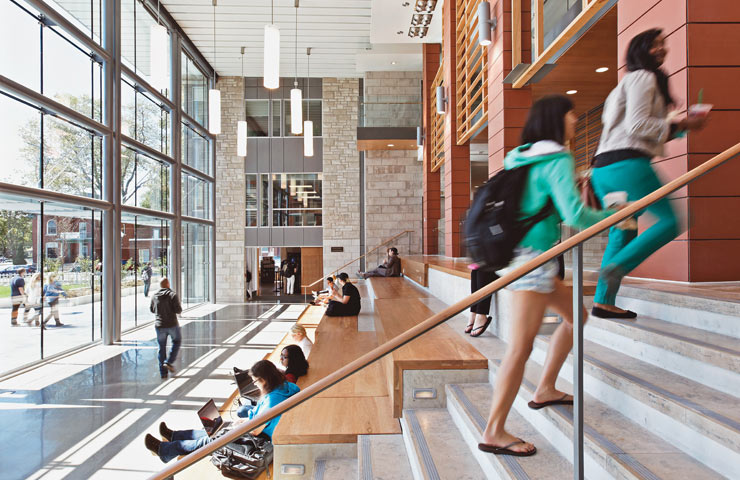
Full Immersion
A four-year honours degree. Attain a deep understanding of business strategies and concepts, including innovations that are changing the nature of work.

Community and Support
Smith provides a powerful sense of community - highly engaged faculty, personal support from staff and counsellors, and a passionate alumni family. All committed to your success.

SmithEdge
Get the edge that will set you apart in the business community. In addition to gaining knowledge, foster your personal capacity in leadership, teamwork, cultural intelligence, resilience, communication, and presentation.

Outstanding Career Support
Smith’s Career Advancement Centre works exclusively with business students. 96% of graduates are employed within 6 months of graduation and earning an average base salary of more than $64,932.
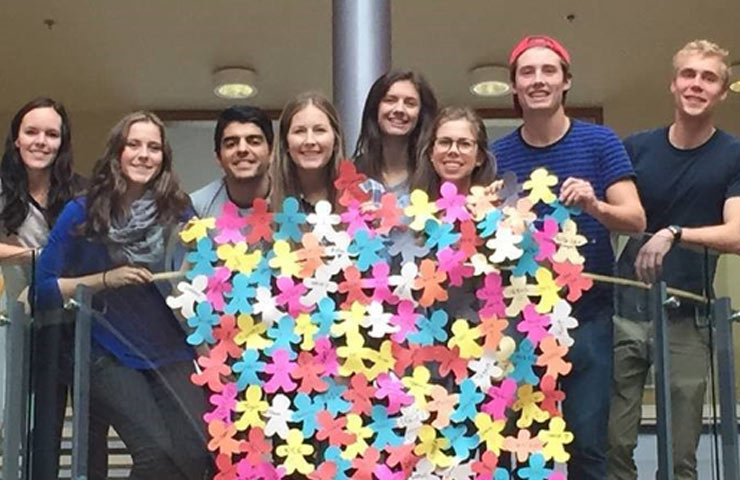
Life Outside Class
Join the Commerce Society, the largest undergraduate business society in Canada. Apply for more than 750 student-held leadership roles. Participate in social and networking events, conferences, and competitions. Enjoy the dynamic on-campus environment of Queen’s University — sports, performances, athletics, and clubs.

Global Perspective
Global business content and rich study abroad options in Years Three or Four. Broaden your perspective, develop a global network of contacts, and enhance your appeal to employers.
Launch Your Career

Our team is here to help you find a great job and launch your career. Smith’s Career Advancement Centre works exclusively with business students. It has an outstanding network of employers in Canada and around the world. Top companies come to Smith to recruit because of the high quality of our graduates.
Download the BCom Report Learn more
Think Global

A key feature of Smith Commerce is the international exchange semester option in Years Three or Four.
Living and studying in another country broadens your perspective, and develops a global network of contacts. It enhances your career opportunities and appeal to employers.
Smith’s exchange partners are carefully selected for the high quality of education and student experience they deliver.
Explore exchange